Lootbound Tank Build
Stack defenses into a district that buys time for armor breakers and payoff companions.
Tank lane fantasy
Tank builds win by making enemy turns cheap. Armor, resistance, health, and Order-style sustain tools create a wall while your damage pieces—often on companions—solve the room. The failure mode is becoming unkillable and irrelevant: infinite defense with no damage language.
Stacking logic
- Cluster defensive auras into a true district, not a ring of lonely shields.
- Keep a dedicated damage or break seat on the board or on a companion.
- Respect regenerating armor versus permanent health debt (Beginner Tips.
Geometry help: Aura Districts, Aura Planner.
Class fits
Paladin is the textbook tank core (Paladin). Warrior can hybridize if loot is defensive-heavy (Warrior). Jester supports (Jester. Witch usually stays off pure tank unless you are enabling a Chaos control plan (Witch.
Map priorities
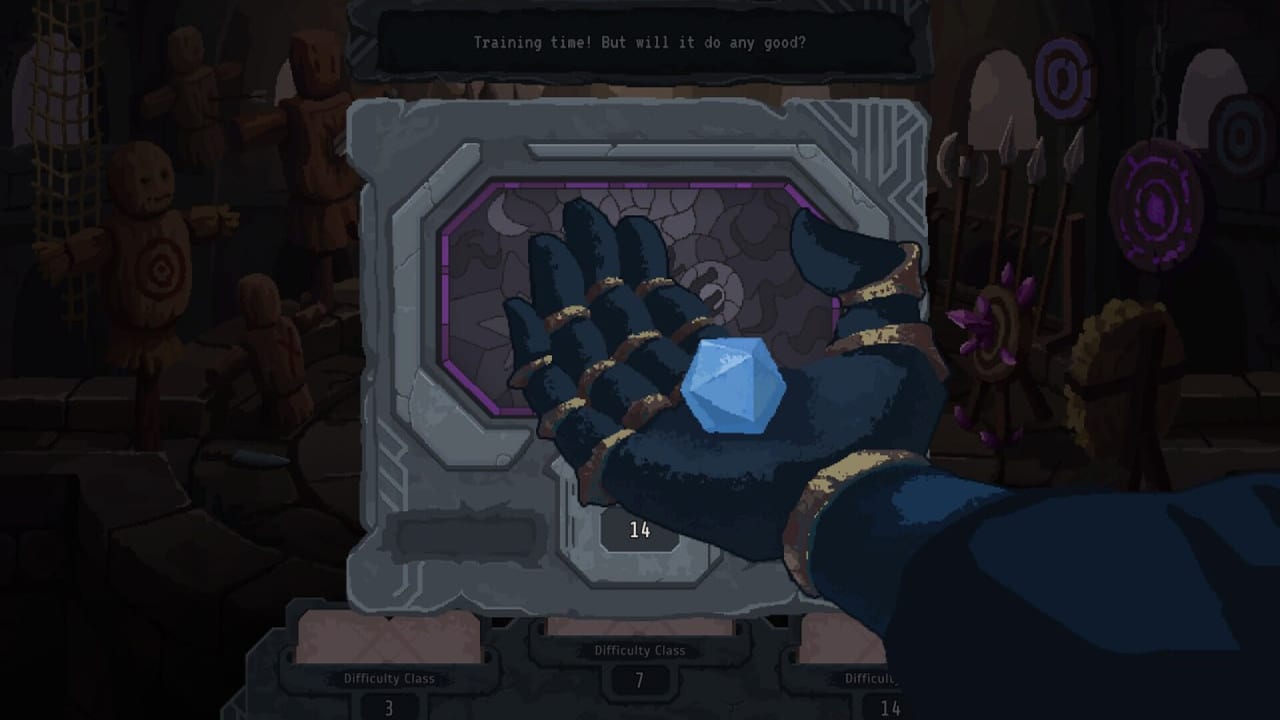
Tank loves training and blacksmith-style permanent improvements because you can afford longer fights. Still buy damage answers before the Guardian. Use Biomes and Route Choice to avoid painting yourself into a pure-defense corner.
Combat conversion
Tank boards create time; they do not choose targets. You still must delete buffers first (Combat Priority. Mana banking matters because long fights will tempt ability spam.
Companion scripting
Let the tank hero or Paladin hold the wall. Put crush/break or bypass damage on a companion so the wall is not ornamental. Validate coverage with Damage Cheat Sheet.
Boss plan
Tank shines when Guardians punish glass parties. It struggles when bosses require fast phase damage. Assemble parts carefully (Guardian Parts and read How to Beat Guardians.
Compare lanes
If fights are safe but endless, borrow crit payoff ideas from Crit Build. If you survive spikes but leave fights low, consider Lifesteal Build.
Extended practical checklist — Tank Build
For “Tank Build”, use this checklist at every biome gate and after every elite that nearly wiped you. First, name the lane in one sentence so you cannot hide behind vague ambition. Second, point at the keystone aura on each board and confirm it still activates after the latest pickup. Third, name the armor answer in the party—break, shred, bypass, or a documented mix—and identify which character seats it. Fourth, count remaining mana and health debt before you accept another high-risk branch. Fifth, decide which companion is carrying enable, which is carrying payoff, and which is carrying durability so loot stops being sprinkled by panic.
When a drop arrives, force a four-question filter before it touches the grid: what footprint remains after rotation, which district wants it, which item loses its seat, and whether the swap still serves the finale you are assembling. If you cannot answer those questions quickly, leave the item on the floor. Lootbound rewards decisive refusal more often than heroic packing. Rehearse refusals in the demo until they feel boring; boring discipline is how expeditions become repeatable.
Common failure stories and repairs
On “Tank Build” pages, failure story A is the museum board: every rarity represented, no district alive. Repair by deleting tourist items until two neighborhoods are obvious. Failure story B is the empty-pool fighter: flashy ability use on trash, silence on bosses. Repair by assigning autoattacks to easy rooms and saving spend for elites. Failure story C is the authored hard counter: boss parts chosen for spectacle while damage coverage was incomplete. Repair by treating part choice as matchmaking against your own seats. Failure story D is companion neglect: hero jewelry polished while allies wear junk. Repair by scripting at least one automatic action pattern that matters every fight.
Cross-link your repair to the right hub instead of rereading everything. Inventory confusion belongs with grid and aura pages. Pacing confusion belongs with route and dice pages. Finale confusion belongs with Guardian pages. Identity confusion belongs with builds and the advisor tool. The fastest improvement loop is narrow: one failure story, one hub, one tool rehearsal, one more run.
Launch-week and long-term maintenance
When revisiting “Tank Build” in the days around August 14, 2026, expect patches, balance notes, and community shorthand to move faster than any static guide. Use this wiki as a systems framework, then verify contested numbers and date-sensitive claims on Steam. Keep your personal notes short: lane, keystone, coverage, next purchase. Those four fields survive meta shifts better than a screenshot folder of random inventories. After each meaningful clear or wipe, update only the field that actually broke. That is how a fan wiki stays useful without pretending to be a patch blog.
Focus keyword for this page: Tank Build. Keep repairs tied to this topic instead of rereading the entire wiki after every wipe.
Frequently Asked Questions
Quick answers to the most common questions.
Can a tank build clear the game alone without damage items?
No. Defense buys time; you still need armor answers and payoff damage.
Is Paladin required?
No, but Paladin is the clearest class on-ramp for a tank lane.
Should tank ignore auras?
Never. Defensive auras are how bulk becomes efficient instead of footprint-heavy.
When do I stop stacking armor?
When adding more defense costs your only damage adjacency or break tools.